
How Upholstery Improves Furniture Comfort and Lifespan
Upholstery plays a critical role in both the comfort and durability of furniture. Over time, daily use causes furniture padding to compress, fabrics to wear out, and surfaces to lose their original appearance. Many people overlook these changes until the furniture becomes uncomfortable or visually unappealing. Professional upholstery services address these issues by restoring cushioning, replacing worn materials, and strengthening internal structures, ultimately improving both comfort and furniture lifespan.
One of the primary functions of upholstery is comfort enhancement. Cushions and padding provide support to the body while sitting or lying down. When foam loses density, furniture starts to feel hard, uneven, or unstable. Upholstery services replace old foam with high-quality padding that restores proper support. The right foam density improves posture, reduces pressure points, and makes furniture more comfortable for long-term use. This is especially important for sofas, chairs, and beds that are used daily.
Fabric and leatherette materials also contribute significantly to comfort. Torn fabric, peeling leatherette, or rough textures can make furniture unpleasant to use. Upholstery allows you to select materials that feel better against the skin while meeting practical needs such as durability and easy maintenance. Modern upholstery materials are designed to handle regular usage while maintaining softness and visual appeal.
Furniture lifespan is directly affected by the condition of its upholstery. When padding wears out, pressure shifts unevenly onto the furniture frame, causing joints to loosen and structures to weaken. Upholstery repair redistributes support properly, protecting the internal frame from excessive stress. This prevents long-term damage and extends the usable life of the furniture. A well-upholstered piece of furniture remains structurally strong and functional for many additional years.
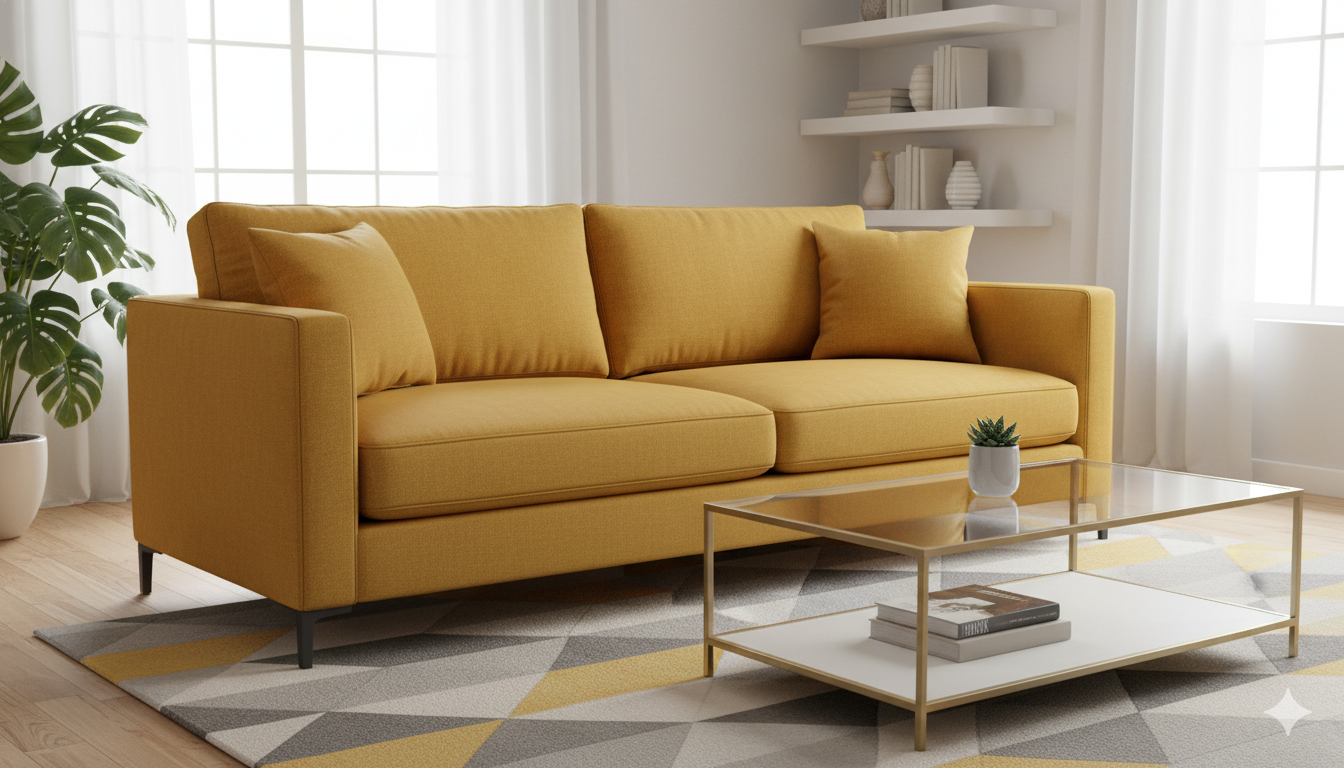
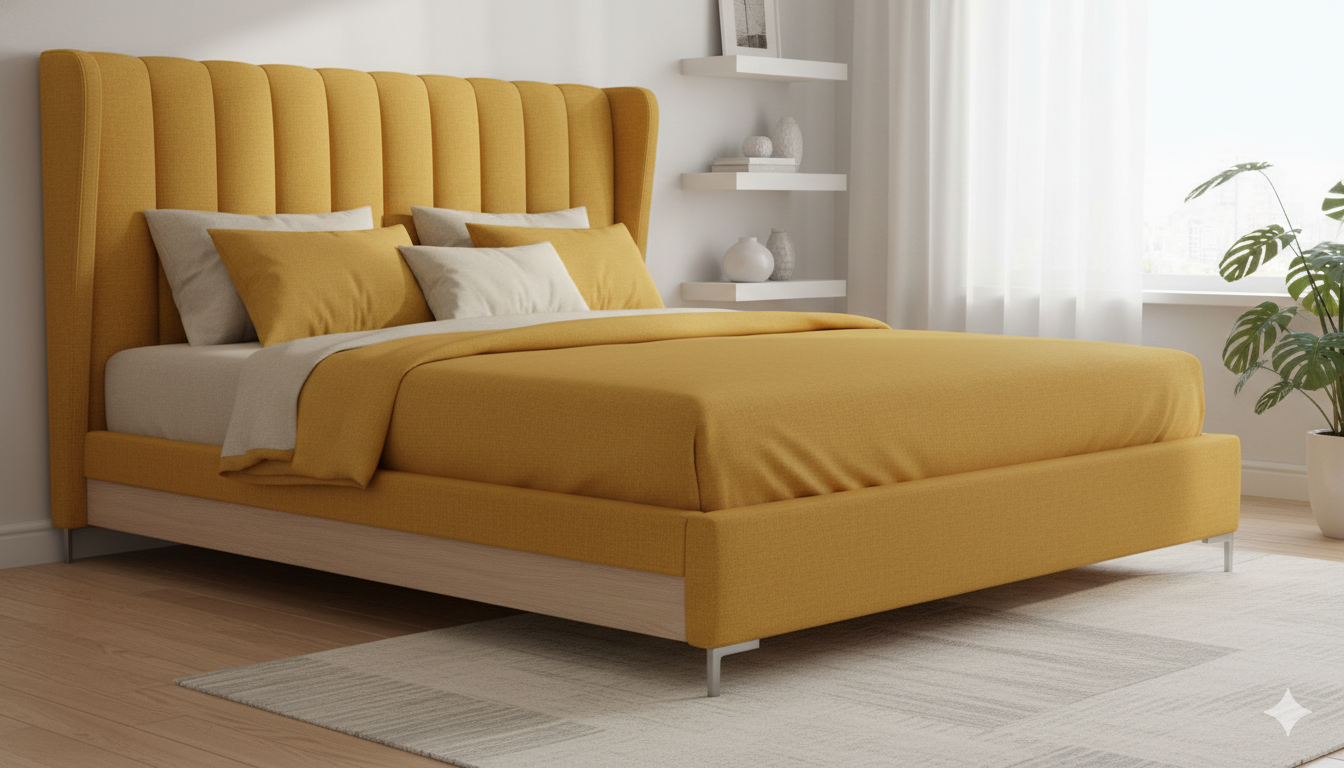
Another key advantage of upholstery is customization. Furniture bought years ago may no longer match current interior styles or personal preferences. Upholstery allows complete transformation through fabric color changes, texture upgrades, and design adjustments. This flexibility enables furniture to adapt to evolving décor trends without the cost of replacement. Whether the goal is a modern, minimal, or traditional look, upholstery services provide tailored solutions.
Upholstery also improves hygiene and cleanliness. Old fabrics often trap dust, allergens, and odors, especially in sofas and mattresses. Replacing upholstery materials refreshes furniture and improves indoor air quality. This is particularly beneficial for homes with children, pets, or individuals sensitive to dust and allergens. Clean, well-fitted upholstery contributes to a healthier living environment.
In commercial settings, upholstery maintenance is essential for maintaining a professional appearance. Offices, hotels, and waiting areas experience heavy usage, which quickly wears down furniture. Regular upholstery services help maintain consistent appearance, comfort, and durability while reducing replacement costs. Well-maintained furniture leaves a positive impression on clients and visitors.
Professional upholstery work focuses on precision and craftsmanship. Skilled upholsterers pay close attention to fabric tension, stitching alignment, edge finishing, and cushion balance. These details ensure that furniture not only looks refined but also performs well under daily use. Quality checks are conducted to ensure consistency, comfort, and safety.
Another benefit of upholstery is sustainability. Repairing and reupholstering furniture reduces waste and minimizes the environmental impact of disposal. By extending the life of existing furniture, upholstery supports responsible consumption and reduces the demand for new manufacturing. This makes it an environmentally conscious choice for modern households and businesses.
Upholstery services also offer practical value for furniture with strong frames. Many older furniture pieces are built with solid materials that outperform newer mass-produced options. Upholstering such furniture preserves its core strength while upgrading comfort and appearance. This combination of durability and aesthetics delivers long-term value.
In conclusion, upholstery is an effective way to improve furniture comfort, extend lifespan, and refresh interior aesthetics. It restores support, protects internal structures, enhances hygiene, and allows design customization. Instead of replacing furniture prematurely, investing in professional upholstery ensures lasting comfort, durability, and visual appeal. Well-upholstered furniture performs better, looks better, and remains reliable for years to come.